Mastering Tire Strategy for Unpredictable Weather
Motorsport victories often hinge on the rubber touching the asphalt. When skies darken and rain begins to fall, the entire dynamic of a race transforms instantly. Grip vanishes, braking zones multiply in length, and corner speeds plummet. Navigating these transitions requires a deep understanding of surface physics and thermal degradation.
Every team on the grid knows that the right compound at the correct moment dictates who sprays the champagne. Choosing the optimal setup becomes a complex equation involving ambient temperature, track evolution, and radar forecasts. A single error here can cost valuable seconds or end the race in the concrete barriers.
Understanding the nuances of tire selection elevates a simple gamble into a calculated technical maneuver. This guide examines the strategic decisions motorsport engineers make when atmospheric conditions refuse to cooperate.
Deciphering the Rubber Arsenal
Teams bring multiple compounds to any given race weekend. Dry slicks provide maximum contact patch and mechanical grip. Intermediate patterns feature light grooving to clear standing water while maintaining stiffness for dry sections. Full wet variants possess deep channels capable of dispersing dozens of liters of water per second.
Gravel surfaces require a different approach entirely. Engineers choose between soft and hard compounds depending on the abrasiveness of the stage and the ambient heat. Soft compounds heat up rapidly and offer immediate traction but wear out quickly on abrasive terrain. Hard compounds resist punctures and endure longer stints, though they demand aggressive driving to reach their optimal operating window.
The Physics of Weather and Grip
A dropping temperature drastically alters how rubber interacts with the road. Cold compounds harden, reducing their ability to interlock with the micro-texture of the track. Conversely, intense heat causes soft rubber to overheat, leading to blistering and severe performance degradation.
Water introduces a physical barrier between the rubber and the road. Aquaplaning occurs when the tread cannot clear the fluid fast enough. Engineers must balance the need for water evacuation against the desire for maximum rubber on the road.
Strategy and Predictive Analytics
Meteorological data forms the backbone of modern racing strategy. Teams utilize advanced weather radar, track humidity sensors, and thermal imaging to anticipate changes. Spotters positioned around the circuit provide real-time updates regarding localized showers.
Thermal management plays a massive role in tire selection strategy. Rubber compounds need a specific heat range to function properly. A cold slick slides uncontrollably, while a boiling wet pattern falls apart. Monitoring brake temperatures helps engineers understand how much heat transfers into the rim, which directly impacts the internal pressure.
Preparation involves running simulations to determine the crossover point. This point is the exact lap time where an intermediate setup becomes faster than a slick setup. Knowing this metric removes emotion from the decision process.
Navigating Critical Race Scenarios
The Mixed Surface Conundrum
A track that is half dry and half wet presents the ultimate challenge. Slicks offer incredible speed in the dry sectors but pose massive risks in the wet zones. Intermediates survive the damp areas but overheat rapidly on dry asphalt. Teams often split their setups during rally stages, placing wet patterns on the front and slicks on the rear to balance steering response and traction.
Sudden Downpours and Drying Tracks
When a sudden storm hits, survival becomes the primary objective. Pitting immediately for wet compounds can yield an advantage of ten seconds per lap. Conversely, as the sun returns and a dry line emerges, the track temperature spikes. Leaving a rain setup on a drying surface destroys the tread blocks within minutes.
The Human Element in Technical Choices
Data telemetry tells only half the story. The person behind the wheel feels the subtle loss of micro-grip before the sensors register a slide. Driver feedback dictates whether a setup feels stable enough to push to the limit. A confident pilot on a suboptimal compound will often outpace a hesitant pilot on the perfect compound.
Analyzing Realistic Motorsport Situations
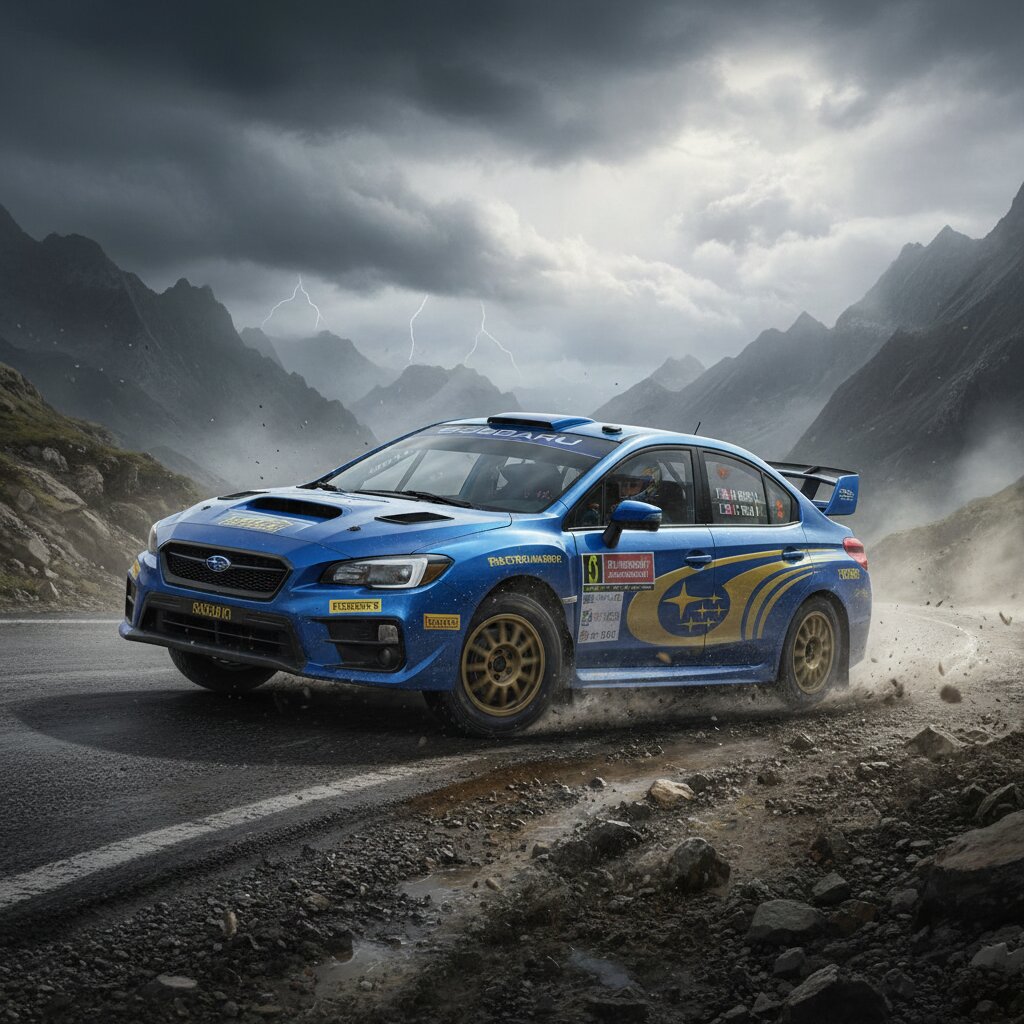
Consider a classic rally stage in the mountains. The base of the climb is dry and warm, while the summit hides under a thick layer of freezing rain. A soft slick setup would dominate the bottom but send the car off the cliff at the top. The team must calculate the time gained versus the time lost to determine the optimal tire selection for the overall distance.
Avoiding Costly Strategic Errors
One major mistake teams make is reacting to the weather rather than anticipating it. Waiting for heavy rain to start before preparing the pit box results in catastrophic delays.
Another frequent error is copying the strategy of a rival without considering the specific wear characteristics of their own chassis. Each vehicle treats its rubber differently, demanding an independent strategic approach.
Perfecting the Art of Adaptability
Success in motorsport relies on preparation, rapid analysis, and decisive action. Variable weather separates the prepared engineers from those who rely on luck. By mastering the intricate details of thermal operating windows and tread patterns, teams transform unpredictable storms into strategic advantages. The ultimate competitive edge lies in making the correct call the moment the first raindrop falls.